


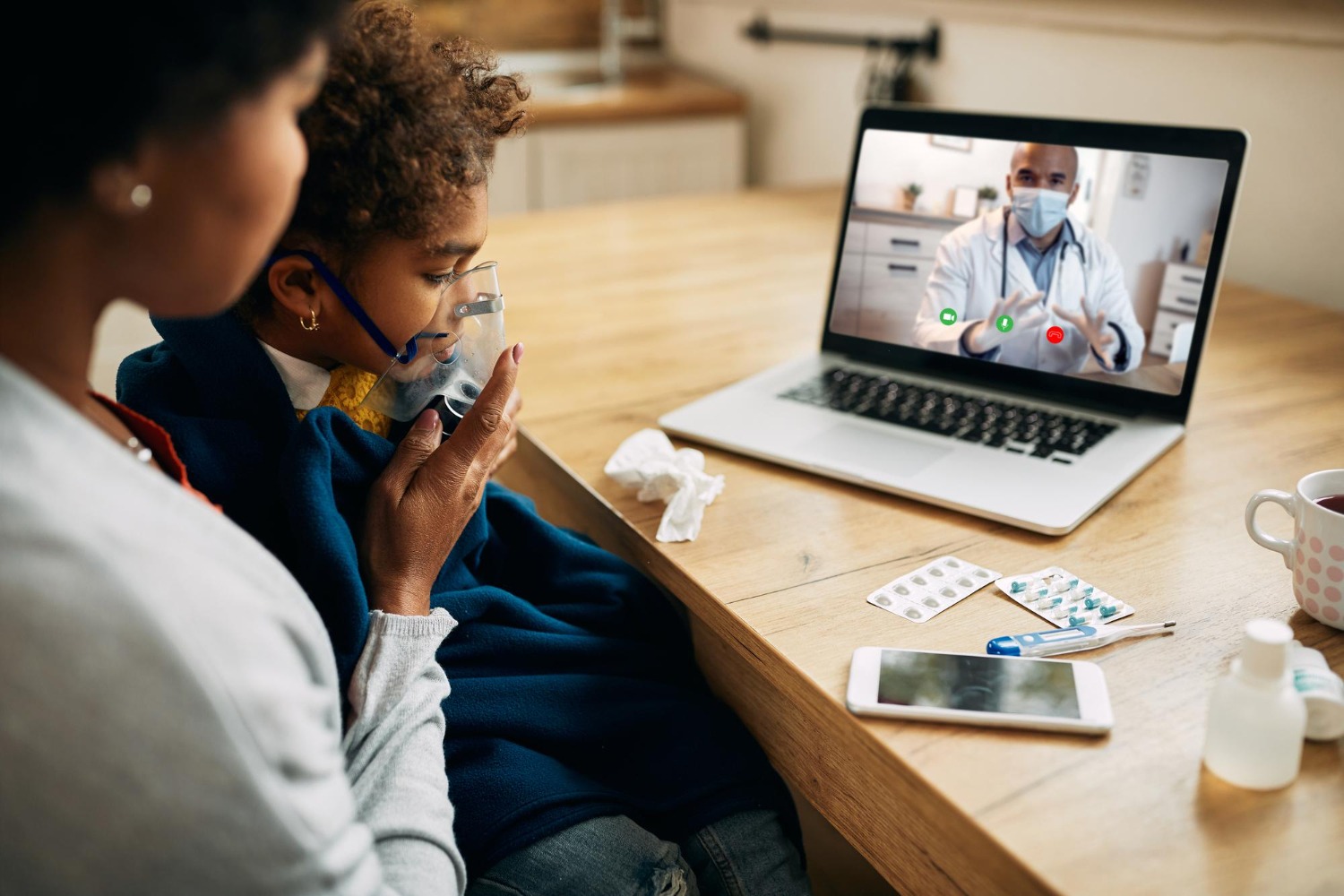
Telemedicine in Pakistan is changing the way patients access healthcare. Patients will no longer have to endure long waits at a busy hospital to speak with a doctor; they can now do so from any location using a video call, chat, or phone. Telemedicine gained acceptance and momentum during the COVID-19 pandemic and is establishing its feasibility year after year.
Advantages of Telemedicine:
It eases connections for patients in rural or underserved parts of the country to meet with doctors, without having to travel long distances. Online consultations save time, reduce costs, and allowing patients with chronic diseases such as diabetes or hypertension, to easily follow up. It also provides comfort for patients and assurance for privacy – especially for sensitive health issues.
Disadvantages:
Unfortunately, telemedicine still encounters existing issues that continue to limit its usage such as internet speed, lack of awareness around telemedicine, and privacy of patient data. Finally, there are people in the country who simply prefer seeing the doctor at the office; they trust face-to-face consultation more than online.
Legal Structures:
The Pakistan Medical and Dental Council (PMDC) and the Ministry of National Health Services work to ensure only licensed physicians deliver telemedicine consultations and patient data remains secure and private.
Conclusion:
In conclusion, telemedicine in Pakistan is changing barriers to accessing healthcare. Further, with improvement in internet connections, enhanced awareness, and good laws, telemedicine could become a legitimate and trusted mode of the healthcare system.
If you need medical advice, contact Weblinic Healthcare.


